Company Restoration ·
How to Restore a Dissolved Company in the UK
Understand the two routes to restore a dissolved UK company, who may apply, what records to gather and when to seek specialist advice.
By Clear Corporate Services
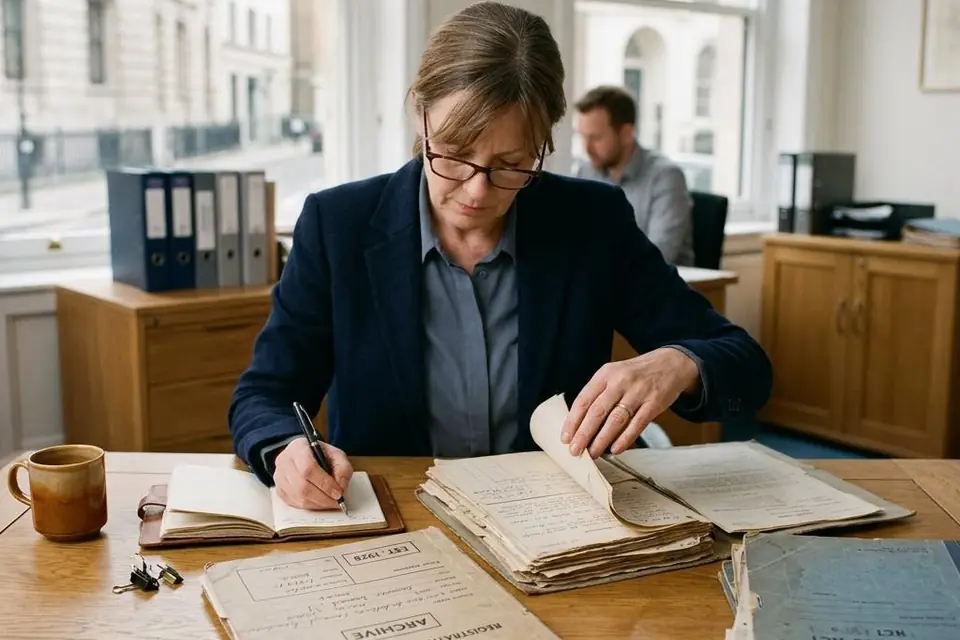
A company that has been dissolved no longer exists as a legal entity. Restoration puts it back on the Companies House register, but it is not a simple correction to a company record: eligibility, the reason for dissolution and the company’s affairs all matter. This guide explains the main routes and the practical preparation involved. It is general information, not legal, tax, insolvency or accounting advice.
What restoration does
When a company is dissolved, it cannot ordinarily continue trading, enter into new arrangements or deal with property in its own name. Restoration generally treats the company as having continued in existence as if it had not been dissolved, subject to the relevant process and any court directions. It may therefore affect historic liabilities and obligations as well as assets. Do not assume restoration will produce a clean slate.
People often discover the issue when a former company still holds money, land, a vehicle, intellectual property or a contract, or when a creditor needs to pursue a claim. Property belonging to a dissolved company may pass to the Crown as bona vacantia. The official GOV.UK restoration guidance sets out the administrative route; the separate court-order guidance explains when an application to court is needed.
Administrative restoration or a court order?
Administrative restoration
Administrative restoration is an application to the Registrar of Companies, rather than a court claim. GOV.UK says you can apply only where you were a director or shareholder, the Registrar struck the company off and dissolved it within the previous six years, and the company was trading at the time it was dissolved. This route is not available simply because restoration would now be convenient. Check the company’s filing history and the circumstances of dissolution before preparing an application.
The prescribed application is form RT01. The application normally involves bringing overdue statutory filings up to date and paying any outstanding filing fees or penalties. The current official application page should be checked for the applicable fee and submission instructions, as these can change. If the company had assets that passed to the Crown, a waiver letter from the relevant Bona Vacantia division may be needed before restoration can be completed.
Court restoration
If the administrative conditions are not met, a court order may be required. Court restoration may be relevant where the company was voluntarily struck off, where an eligible applicant cannot use the administrative route, or where another party has a proper interest in restoring it. The court route has its own eligibility, evidence, service and procedural requirements. The court may also make directions about the restored company’s position. Identify the correct court and procedure from current official guidance and obtain legal advice where there is any uncertainty.
Check eligibility and purpose first
Begin by obtaining the company number, dissolution date and strike-off history from Companies House. Confirm whether dissolution followed a Registrar-initiated strike-off or a voluntary application. Establish who is applying and in what capacity, and gather evidence of the company’s activities at the relevant time if administrative restoration is being considered.
Be clear about the objective. Is restoration needed to recover property, bring or defend a claim, complete a transaction or regularise company records? Where the company has debts, disputes, unfiled accounts or potential insolvency concerns, restoration may reactivate responsibilities and expose directors or members to issues that should be assessed before proceeding. Restoration is not a substitute for insolvency advice, and an existing claim or asset does not itself guarantee that an application will succeed.
Documents and preparation
For an administrative application, the official guidance identifies form RT01 and any outstanding documents, such as company accounts and confirmation statements, together with outstanding filing fees or penalties. The precise filing history determines what is overdue. Check Companies House records rather than relying on old internal copies alone.
- Collect the certificate or details of incorporation, company number and evidence of the applicant’s former role or shareholding.
- Download the Companies House filing history and identify every outstanding account, confirmation statement and other required filing.
- Locate financial, property and contract records, including evidence of assets that may have passed to the Crown.
- Ask the relevant Bona Vacantia office about a waiver letter if the company had assets at dissolution; follow its current instructions.
- For a court application, assemble the evidence required by the applicable court procedure and identify parties who may need notice.
Documents should be consistent: company name, number, dates and applicant details must match official records. If a filing cannot be completed accurately because records are missing, resolve that problem before submitting rather than guessing. Keep copies of the application, supporting material and delivery evidence.
What happens after restoration?
For administrative restoration, Companies House confirms the outcome by letter. Once restored, review the register immediately and deal with remaining filing obligations. The company may need to file overdue documents, update details and address correspondence, accounts, tax or creditor matters. Ask relevant organisations to reinstate services or records only after checking their own requirements.
Restoration does not automatically transfer property back in every practical sense, resolve a dispute, remove penalties or settle liabilities. Where an asset vested as bona vacantia, follow the applicable process to have it dealt with after restoration. Keep a clear record of what the restoration changes and what remains outstanding.
When to seek professional help
Consider speaking to a solicitor about court restoration, contested claims, property or contractual disputes. An accountant may be appropriate for historic accounts or financial records, and an insolvency practitioner should be consulted where solvency is in doubt. These are distinct regulated or specialist areas. Clear Corporate Services does not provide regulated legal, tax, insolvency or accounting advice; professional input may be essential alongside administrative support.
If you are considering the administrative process, our Company Restoration service can help you understand the practical application and filing steps. Contact us to discuss your company’s records and the route you may need to explore.